- EUR
- GBP
- USD
- TRY
- RUB
- AED
- Square Feet
- Square Meters


- Home
- Guides
- Spain Guide
- Buy Property in Spain – 2025 Guide

Picture this: you’re sipping your morning coffee overlooking the Mediterranean, a gentle breeze drifts through the olive trees, and a notification lights up your phone — your Spanish apartment just generated another rental income today.
Owning real estate in Spain is no longer just a dreamy holiday fantasy; it has become a strategic move for savvy investors worldwide. And surprisingly, the process is far more accessible than most imagine. Spain welcomes property buyers from around the globe — even if you’re not an EU citizen. No residency required, no need for citizenship. All you need is the right information, a solid plan, and professional guidance.
This Spain property buying guide for foreigners is designed to provide a clear, step-by-step roadmap to owning a home in Spain. From obtaining your NIE number to navigating notary procedures and understanding your property tax obligations — everything you need is right here.
So if you’re thinking about how to buy property in Spain as a foreigner and dream of moving your investment borders to the Mediterranean, keep reading. You’re not just buying a house — you’re building a whole new life.
1. Why Buy Property in Spain?
Spain is more than a destination — it’s a doorway to a livable lifestyle, a sustainable investment, and a gateway to Europe.
With its mild Mediterranean climate, over 300 days of sunshine a year, and a slower pace of life, Spain appeals to investors not just financially, but emotionally as well. Its modern healthcare system, high-quality transport infrastructure, and rich cultural heritage offer far more than just a place to stay — they offer a place to call home.
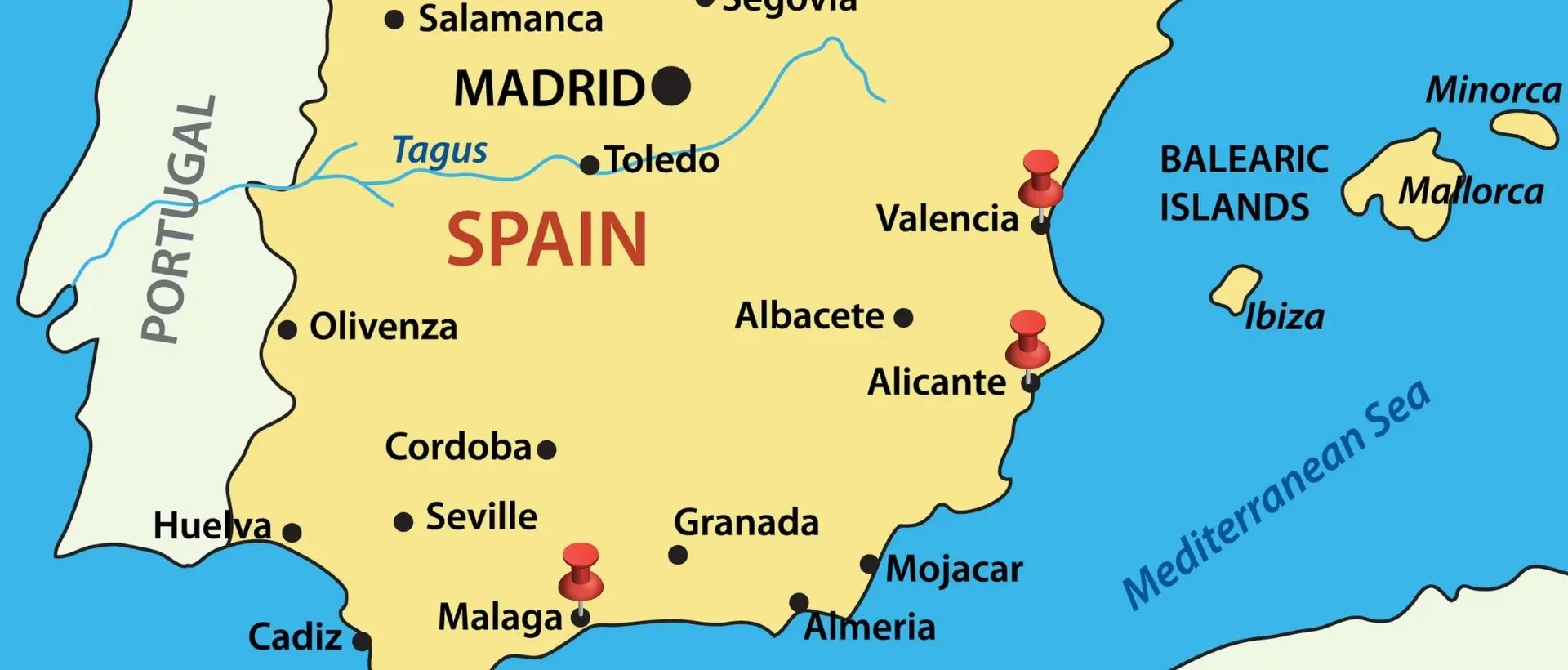
Beyond lifestyle, buying property in Spain is also a sound financial move. In recent years, cities like Málaga, Alicante, and Valencia have shown consistent price growth, making real estate a stable and appreciating asset. The home you purchase becomes more than a place to live — it’s a long-term investment with real value.

Thinking about rental income? There’s strong potential, especially in coastal areas popular for short-term holiday lets. And the best part? Spain doesn’t impose major restrictions on foreign buyers. No residency requirement, no citizenship needed. The system is open, clear, and accessible.
Whether you’re looking for a second home, a secure investment, or the beginning of your dream life in Europe — buying property in Spain makes all of that possible in just one step.
2. Can Foreigners Buy Property in Spain?
Short answer: Yes — absolutely legal.
Spain is one of the most open and accessible countries in Europe when it comes to property ownership for foreign investors. The country allows individuals from nearly anywhere in the world to purchase residential homes, commercial properties, or land without requiring citizenship or residency.
In other words, you don’t need to be a Spanish citizen or live in Spain to buy property in Spain. Once the title deed (escritura) is registered, your ownership rights are protected under Spanish law just like any local buyer. You are free to rent it out, sell it, live in it, or pass it on as inheritance — the choice is entirely yours.
This openness and legal clarity make Spain attractive not only for those seeking a holiday home, but also for long-term property investors looking for security and growth in a stable European market.
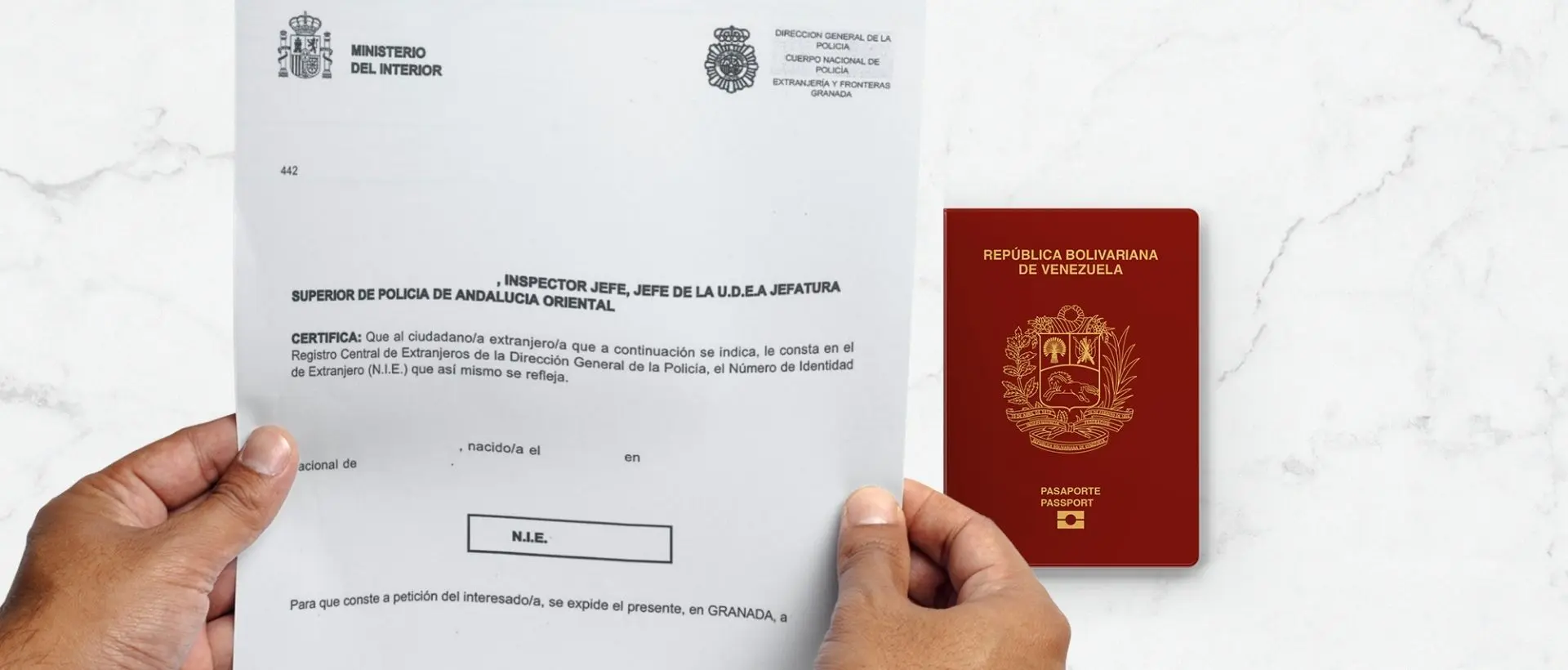
You don’t need a residence permit to buy property in Spain. Foreign investors can legally own real estate with just a valid passport and an NIE number.
3. First Step: Getting an NIE Number
The very first official step for any foreigner planning to buy property in Spain is obtaining an NIE — Número de Identidad de Extranjero, or Foreigner Identification Number.
This unique number is required for all legal and financial procedures in Spain, including paying taxes, registering property, signing contracts, and opening a local bank account.
Where to Get an NIE Number
There are three main ways to apply for an NIE number:
- Foreigners’ Office in Spain (Oficina de Extranjería)
→ You can apply in person while in Spain. - Spanish Consulates Abroad
→ If you’re outside Spain, you can apply through your nearest Spanish consulate by scheduling an appointment. - Via Power of Attorney (through a lawyer)
→ You can authorize a Spanish lawyer to apply on your behalf. This is ideal for investors purchasing from abroad.
Required Documents
To apply for an NIE number, you’ll need to provide:
- A valid passport copy
- Completed NIE application form (EX-15)
- Proof of appointment (online or phone confirmation)
- Payment receipt for the NIE fee (form modelo 790, code 012)
Processing time may vary depending on the office — from a few days to several weeks. For this reason, obtaining your NIE number before starting the property search can save valuable time during the purchase process.
4. The Property Purchase Process in Spain (Step by Step)
Buying property in Spain follows a well-structured legal process, especially for foreign buyers. However, each step must be carefully planned and executed within the legal framework. Below is a clear breakdown of the entire acquisition process.
4.1. Finding the Right Property
The first step is choosing a property that suits your goals and lifestyle.
- Purchases are usually made through licensed real estate agencies or directly from developers.
- Since Spanish regions vary significantly in pricing, lifestyle, and investment potential, a local market analysis is strongly recommended.
Examples:
– Málaga: tourism and residential living
– Alicante: affordable coastal investment
– Valencia: a balance of city life and seaside charm
4.2. Reservation and Preliminary Agreement (Contrato de Arras)
Once you’ve selected a property, a preliminary agreement is signed between buyer and seller:
- A deposit of approximately 5% to 10% of the purchase price is paid.
- Both parties agree on the price, payment schedule, and delivery date.
- If either party withdraws, contractual penalties apply:
- If the buyer cancels, the deposit is forfeited.
- If the seller cancels, they must return double the deposit.
4.3. Due Diligence (Legal Verification)
As with any property purchase, a thorough legal check is essential in Spain:
- Are there any debts, mortgages, or liens on the property title?
- Is the urban planning status correct? Is the building permit valid?
- Other aspects such as land registry information, shared areas, and community rules should also be reviewed.
Working with an independent lawyer experienced in Spanish real estate law is strongly advised at this stage.
4.4. Title Deed Transfer (Escritura Pública) and Notary Procedures
Once all documents are prepared, the sale becomes legally binding:
- The purchase transaction is finalized before a Spanish notary (Notario).
- The buyer pays the remaining balance and signs the official purchase deed (Escritura de Compraventa) with the seller.
- After signing, the property is officially registered under the buyer’s name in the Registro de la Propiedad (Land Registry Office).
From the moment of registration, the buyer obtains full legal ownership rights.
5. Ownership Rights and Guarantees in Spain
Foreigners who buy property in Spain enjoy the same full ownership rights as Spanish citizens. There are no restrictions — once the property is registered, you have full legal control over it.
After the transaction is completed before a notary and the property is officially recorded in the Land Registry (Registro de la Propiedad), the buyer gains complete authority over the asset. This includes the right to rent it out, sell it, gift it, or pass it on as inheritance.
Spain’s property registry system is backed by the government, and every registered ownership right is legally protected. This level of security greatly reduces the risk of future disputes over property claims.
Spanish real estate law is designed to protect the buyer. Whether you’re purchasing for personal use or investment, you can rely on a transparent, legally secure framework that favors clear ownership and long-term stability.
6. Things to Consider When Buying Property in Spain
Although the process to buy property in Spain is clear and legally secure, there are still a few critical points that require close attention to avoid unexpected risks and complications later on:
Is the title deed clear?
Make sure the property has no outstanding debts, mortgages, or legal claims recorded in the Land Registry.
Is the seller authorized to complete the transaction?
You should verify that you’re dealing with the legal owner or their authorized representative, and that they have the documented right to sell.
Are a lawyer and notary involved in the process?
Hiring an independent lawyer with experience in Spanish property law is essential to protect your rights as a buyer. Notary involvement is also a legal requirement for finalizing the transaction.
Is the property legally approved and properly licensed?
Ensure the property is included in the official urban planning system and has a valid building license. This is especially important when evaluating property for sale in Spain that looks too good to be true.
This type of due diligence is a critical part of any Spain property buying guide for foreigners, and skipping it could result in serious legal and financial consequences. Taking the time to verify every step ensures a safe, stable, and worthwhile investment.
7. Frequently Asked Questions (FAQ)
Yes. Foreign investors do not need a residence permit to buy property in Spain. You can purchase real estate even if you do not live in the country.
No. You can legally buy property anywhere in Spain — in any city or region where properties are available for sale. There are no restrictions based on where you currently live.
No. Purchasing a property does not automatically grant residency or citizenship. However, depending on the amount invested and your profile, you may be eligible to apply for a residence permit through separate legal processes. This topic is commonly searched under “how to buy property in Spain as a foreigner.”
Yes. You are allowed to rent your property on both a short-term and long-term basis. However, be aware of local laws and municipal regulations — especially in areas with tourism restrictions.
Yes, in most cases. A Spanish bank account is required to handle payment transfers, pay associated taxes, and complete the property registration process.
8. Conclusion & Recommendation
Spain is not only attractive for its warm Mediterranean climate — it also stands out as a reliable destination for foreign investors thanks to its stable real estate market, modern infrastructure, and strong legal protections for property owners. Whether you’re seeking a better quality of life or long-term financial return, Spain offers a safe and predictable environment to invest in.
However, every country has its own legal structure, bureaucratic steps, and procedural nuances. That’s why it’s essential to approach your investment in Spain with reliable information and professional guidance — not guesswork.
Taking secure steps at each stage of your investment not only protects your time and money, but also ensures a smoother and more successful experience overall. Getting proper guidance before making your first move is the most effective way to avoid risks down the road.
Ready to Invest in Spain?
Get in touch with us to explore our latest property listings in Spain and learn more about exclusive investment opportunities tailored to your goals.
Let’s plan the right investment — at the right time, in the right place.